
During recent hoopla over video game ratings and regulation in the U.S. Senate and House, Dr. Kimberly Thompson of Harvard University came to the conclusion that Pac-Man is 64% violent (testimony here). Further numbers can be found at Harvard's KidsRisk research, who are attempting to deconstruct not only violence but other tricky things like sexual content in media.
Not only does this allow me to make the awesomest pie chart ever as you see above, but it makes you wonder how can you put a mathematical quantity on something as ambiguous as violence.
We defined violence as acts in which the aggressor causes or attempts to cause physical injury or death to another character. We did not include damage to objects, accidental actions that unintentionally harmed another character, the effects of natural disasters, or the presence of dangerous obstacles that could not be attributed to the actions of a particular character.
More fun with numbers can be found in their report on "Teen" rated video games:
All 36 games rewarded or required the player to injure characters (100%), while 33 games (92%) rewarded or required the player to kill. We observed 6,011 character deaths from violence in approximately 42 hours of game play, occurring at an average rate of 145 character deaths per hour. This included 4,268 human deaths, occurring at an average rate of 104 human deaths per hour. Overall, we identified 24 games (67%) that depicted deaths from violence of nonhuman characters, including the player, and 33 games (92%) that depicted deaths from violence of human characters, including the player.
Obviously, precisely measuring the slippery slope of moral content has been going on forever. Case in point: obscenity and indecency battles like the Supreme Court's "Miller Test" and the multiple cases with Larry Flynt. If history tells us anything, attempting to legislate content is usually a failure. However, the issue at hand isn't outright rejection of ratings, gamers are just pissed at the legislation of content. Video gamer icons Gabe and Tycho from Penny-Arcade recently released a new ad campaign for the ESRB: "Regardless of what they think about the ESRB I've never met anyone who doesn't agree that a rating system is important. No one wants little kids playing games designed for adults. The ESRB isn't perfect but it's all we've got and we as gamers can either bitch about it or try and help."
Friday, July 28, 2006
Pac-Man found to be 64% Violent


Thursday, July 27, 2006
New Breed of Detectives
UA Medical Anthropologists Seek Links Between Society and Health
Some new detective ideas? Discussion of culture in Brazil. Health repercussions of modernization among Samoans.
Dr. Dressler on modernization in Brazil: "What we are finding is that there are two competing ideals among Brazilians — a disagreement among the people between the traditional view of the extremely warm, fun-loving, sensuous individuals, and the new, ever-growing population of the serious, 9 to 5, individualistic working mentality," said Dressler. "We are studying how Brazilians see their own culture — what does it mean to be a Brazilian? Where conflicts over cultural ideals such as these occur, it sets up the likelihood of both psychological and social stress, which in turn can be potent risk factors for disease. It's interesting how these conflicting ideals play out in an individual's life as it relates to the risk of disease."
Dr. Kathryn Oths: "That from culture group to culture group, what seems to be the most salient health problem can differ, and that it is culturally shaped too.
Fun House Minneapolis
This is an extremely interested place. Try to attend one of the parties. Great culture detective work.
Spark! There It Was.

10 of us mofs went to the AAAA Planning Conference in Miami this week and now we're back to the grind...and I mean, The Grind—Eric Nice-style since tonight is Fallon's 25th Anniversary Summer Party. So before we all (the royal we) come in hungover tomorrow and the weekend comes and we move onto the next thing, I thought I'd issue a simple challenge to each individual attendee from our department: 1 Spark Post.
Thankfully our collective delay has allowed time for others to do some very good recaps—Plannerliness, Brains On Fire, Gareth Kay's Brand New by Steve, Russell Davies of course—and some of the content is online—AAAA Webcasts, Piers Fawkes' Breakout Session.
Thus, if we can find (or create) the time and fulfill our role to add something useful (rather than right), I'm sure those who did not (and did) attend will be grateful...and hopefully inspired. Thanks, Seth
Monday, July 24, 2006
Trend: Cashless Society: Monopoly Debit

For the latest edition of the 18th billion Monopoly variation "Here and Now," Parker Brothers will begin phasing out multi-colored cash in favour of a Visa debit card system. The whole idea of using cash cards in children's games isn't new, anybody remember Mall Madness?: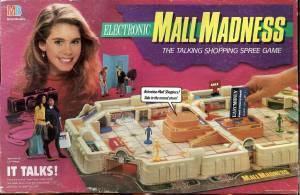
I can only assume that this will lead to a new generation of children developing age-old sneaky monopoly tactics in new and modern ways. Will brothers steal each others identities? Will players have to manage both a monopoly checking and savings account? Will the little debit machine accrue interest on that? Is parking ever really free?
Will strategy become a commodity?

Missed this recent post by the always thought provoking Umair Haque (bubblegeneration.com). He suggests a "law" for the post-network economy is that strategy becomes a commodity:
"Today, the average corporation is packed to the gills with strategists. It's up to it's ears in strategy consultants. The language, vocabulary, and ideas of strategic thinking permeate it.
And that's no surprise - strategy is a very useful way to think about commerce (art, life, etc).
But that also means that everyone and their grandmother knows how to pick profitable markets, segment them, price goods and services, analyze competitors, understand industry economics, etc, etc.
Strategy itself, in a very real sense, is becoming a commodity."
He may have a point. The business world is indeed crawling with strategists. He instead sees creativity as the logical source of value creation:
"I think it is going to have to do with creativity. In a world where strategy is a commodity, creativity becomes the vital factor from which value flows. When everyone can think strategically about everything, the locus of value creation shifts from out-thinking everyone to out-creating them."
Hard to argue with that. However, the proliferation of "strategists" does mask a fact most of us have observed first hand. Creating a strategy is easy. Creating a great strategy, not so much. Creating a brilliant strategy that actually moves a business to reevaluate how it does business is even harder. Most of what passes as strategy these days are actually tactics - a suit of clothes worn for a few days and then discarded. I continue to believe that creativity that bubbles up from a brilliant (though not rigid) strategy, itself informed by a powerful insight - will generally beat raw, untethered creativity.
However, whenever I read the most celebrated cases in business books, I have the nagging suspicion that the "strategy" was tacked on after the fact. Hmmmm.
Friday, July 21, 2006
Trend: Mashups: No-Danger-ous

Danger Mouse burst into the public spotlight, marrying Jay-Z to the Beatles in what is known as The Grey Album. (Trivia: His original files for the songs were labeled "The Black-White Album".) Now Sound Advice has done the same with his group Gnarls Barkley (DM and Cee-Lo) and the legendary Notorious B.I.G. - not all from the Ready To Die disc as the image would suggest. It's called gnarls BIGGIE. Enjoy.
Pretty good, though I'd take the Frank Sinatra + the black Frank White (Biggie) mashup over it anyday. (Sorry, you have to
purchase.) Anyway, let's see how the dynamic duo plays it. Apparently mp3's have already been removed from MySpace and the like, so I'd get there fast. You'd think that Danger Mouse would be sensitive to the project, but I highly doubt it. For a guy who wants to be the first real music director.
Shout out to Protein Feed
Thursday, July 20, 2006
Trend: "Don't Panic": The Fear Premium
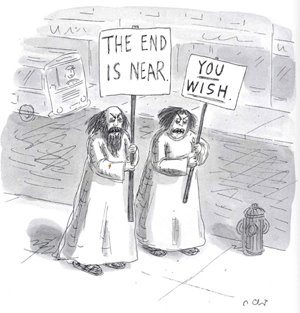
"Don't Panic", but a heightened state of fear has become the new normal in America...see the signs all around us here, here, here, herre, and here.
But look at the bright side and you'll see that certain stocks and commodities are reliably up during recent hurricanes, tsunamis, earthquakes, wars or any other catastrophe. These stock values are so reliably up that you may invest - even bet odds with your bookie, on an event's effects. Death and destruction in the forecast? Hot tips suggest buying shares on Tropicana, Home Depot, and even Big Oil to reap some profitable returns on human suffering and destruction.
This speculative effect is something that politicians, economists and traders call the "Fear Premium". From what I deduce, Fear Premium is the bonus boost in sales or stock valuations before, during or after a big calamity. If you're a retailer or distributor, you can gauge the additional supplies and rations required to ship to opportunity danger zones, and turn a slow sales season red-hot. If you're Joe E-Trader, you can plot pending war strikes and buy low oil shares early before the fear spikes oil prices and sparks runs at the pump.
The strangest thing about Fear Premium is that news commentators and economists constantly refer to the Fear Premium in news articles and interviews...yet noone ever fully explains Fear Premium. Seemingly, the first rule of Fear Premium is that you just don't talk about Fear Premium.
So, don't talk about Fear Premium, but certainly profit from Fear Premium!
If stock trading is too complicated for you, then keep it old school and put a few lunch bucks down on the latest Hurricane odds betting sites and like Powerball, you just may be a winner!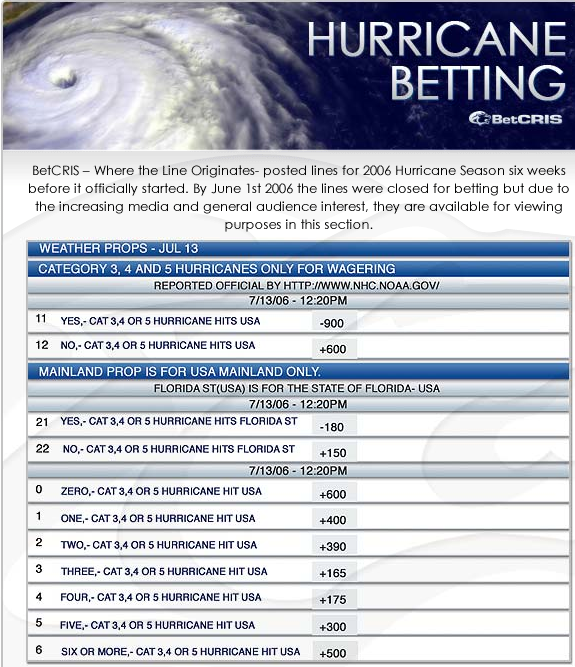
Trend: Bankrupt!: Stop! HammerTime!
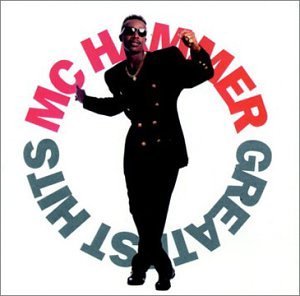 In keeping with the trend of mega-rich stars who can't manage a big buck...
Nashville, TN startup EverGreen Copyright has acquired the music catalog of MC Hammer from the trustee of the rapper's bankruptcy estate for $2.7 million.
Evergreen, which was launched six-months ago by industry veterans Joel A. Katz, David K. Schulhof, and Richard Perna, now controls over 40,000 copyrights.
"We made tremendous progress in only six months," said David K. Schulhof, co-CEO of Evergreen. "The MC Hammer catalog brings some of the best selling and most popular rap songs of all time to Evergreen's catalog."
Songs in MC Hammer's catalog include "Turn This Mutha Out," from the rapper's breakout double platinum release Let's Get It Started, as well as "Too Legit To Quit," "Pray" and one of rap's biggest selling singles, "U Can't Touch This," which helped the rapper's 1990 release Please Hammer Don't Hurt 'Em to sales in excess of 10 million copies.
"We anticipate that many songs in the MC Hammer catalog will emerge as a perfect fit for licensing in movies, television shows, and corporate advertising," Schulhof added.
MC Hammer filed for bankruptcy protection in 1996, with debts in excess of $14 million, despite raking in over $33 million in 1991.
Some of the rapper's assets included a luxurious mansion valued between $12 and $20 million dollars, 17 race cars, a Boeing 727, a Kentucky Derby race horse and a monthly payroll of over $500,000.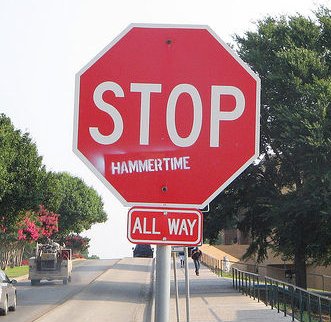
via AllHipHop.com
Wednesday, July 19, 2006
Urban Spam: Birth of a movement?

The folks at PSFK have put together a video (see link) decrying the explosion of urban advertising and messaging. They actually go so far as labeling it "urban spam", a catchy and instantly graspable concept. Have PSFK identified a growing movement or are they, themselves trend watchers, attempting to create one?
In many environments, I think some of this stuff actually adds a unique texture, energy and sense of diversity to the urban experience. But clearly, there can be too much of a good thing. Are we there? What is the difference between "urban spam" and adding an unexpected and enjoyable urban moment? (I think I just answered my own question) Can we resist making the urban experience the annoying, cluttered world that is broadcast TV? Past experience would seem to suggest we will #@!$ it up before we learn a thing called "good judgement".
Tuesday, July 18, 2006
Trend: Truth Awareness: Car Dealer Honesty
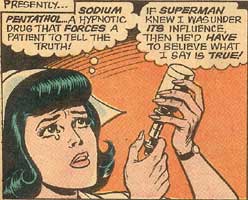 I've been brewing a theorem for a minute about a rising tide of raw truth running throughout much of today's merchandising and advertising strategies.
Within this On-Demand age of increased control and unlimited choice has evolved a new “Truth Aware” consumer, who is endowed with a veritable x-ray vision of previously hidden facts, pricing, production process, program codes, and backstage workings of politics and business. This growing sophistication is downright forcing brands and politicians into a strategic corner to just give up the truth in the sell.
One great example of this growing Truth Awareness is via AdPulp, who points to a Florida car dealer's blog.
The President of Earl Stewart Toyota goes AWOL from his dealer fraternity and exposes the truth about car buying on his blog,Earl Stewart On Cars
Featuring raw truth topics like "What to do if you are Treated Badly by a Car Dealer", "Always Get an “Out the Door” Price", "The Right Used Car is a Better Buy than a New Car", or "Bait and Switch Advertising - Read the Fine Print", he gives open advice to car buyers and owners on how to deal with dealers, service people, and the typical pitfalls to avoid.
Here's a sample:
The “Big Sale Event”. If you look in today’s newspaper, you will find that most car dealers in your area are having a sale of some kind. It may be because of a current holiday, “too large an inventory” of cars, to “reduce their taxes”, “the manager is out of town”, or some other nefarious lure. Advertising 101 says that you should give the prospective buyer a “motive to act”. Unfortunately it doesn’t matter whether the motive is real or not. The fact is that most car dealers do not sell their cars for less during “sales events” than they do at any other time. I point this out so that you don’t rush your buying decision. If you don’t buy a car during the tight time constraints of a phony sales event, you can negotiate just as good a price the next day. The exceptions to this are legitimate rebates offered by the manufacturer. These often expire at the end of the month which is one reason why the “last day of the month” really can be the best time to buy a car”.
How refreshing: a dealer communication without hyperbole and slick imagery, but rather, an eye-to-eye truthiness about the car buying process and benefit to you the consumer. Ironically, this simplicity endears the reader to the dealer in a way that decades of "crazy ed" histrionics never could.
Trend: Geo Mapping: Socialight

More user-created Geo Mapping.
Socialight lets you put virtual "sticky" notes called StickyShadows™ anywhere in the real world. Share pictures, notes and more using your cell phone.
Each StickyShadow that you create can be made public or available only to specific people - like your contacts or members of your groups.
As you travel around the world, you can find StickyShadows that are tied to the places you go. The system can notify you via your mobile phone any time you step on a StickyShadow. As your phone buzzes, it will display the media, along with some information about the person who set it. From there, you can instantly respond, leave your own StickyShadow or just move on.
How's it Used?
•I leave a note for all my friends at the mall to let them know where I'm hanging out. All my friends in the area see it.
•A woman shows all her close friends the tree under which she had her first kiss.
•An entire neighborhood gets together and documents all the unwanted litter they find in an effort to share ownership of a community problem.
•A food-lover uses Socialight to share her thoughts on the amazing vanilla milkshakes at a new shop.
•The neighborhood historian creates her own walking tour for others to follow.
•A group of friends create their own scavenger hunt.
•A tourist takes place-based notes about stores in a shopping district, only for himself, for a time when he returns to the same city.
•A small business places StickyShadows that its customers would be interested in finding.
•A band promotes an upcoming show by leaving a StickyShadow outside the venue.
See a demonstration videohere
Monday, July 17, 2006
Industry: Food Media: EggFusion
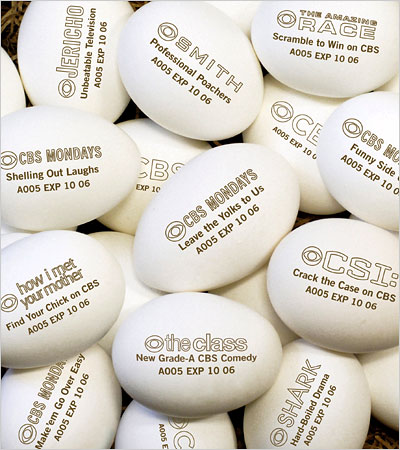
NY Times reports on CBS' fall campaign to brand shows on the surface of 35 million eggs.
Some of their planned slogans: “CSI” (“Crack the Case on CBS”); “The Amazing Race” (“Scramble to Win on CBS”); and “Shark” (“Hard-Boiled Drama.”). Variations on the ad for its Monday night lineup of comedy shows include “Shelling Out Laughs,” “Funny Side Up” and “Leave the Yolks to Us.”
Newspapers, magazines and Web sites are so crowded with ads for entertainment programming that CBS was ready to try something different, said George Schweitzer, president of the CBS marketing group. The best thing about the egg concept was its intrusiveness.
“You can’t avoid it,” he said. He liked the idea so much that he arranged for CBS to be the only advertiser this fall to use the new etching technology. The CBS ads are the first to use imprinting technology developed by a company called EggFusion, based in Deerfield, Ill. Bradley Parker, who founded the company, wanted to reassure shoppers that egg producers were not placing old eggs in new cartons, so he developed a laser-etching technique to put the expiration date directly on an egg during the washing and grading process.
As EggFusion sees it, consumers look at a single egg shell at least a few times: when they open a carton in the store to see if any eggs are cracked, if they transfer them from the carton to the refrigerator, and when they crack them open.
Mr. Parker said the destination of eggs was tracked so precisely that he envisioned being able to offer localized advertising, even aiming at specific ZIP codes, to promote events like local food festivals and concerts. He is setting aside a portion of the ads for charities, too, he said. The imprint is applied in the packaging plant, as the eggs are washed, graded and “candled,” or inspected for flaws, when the eggs are held by calipers and moved along a production line at 225 feet a minute. Right before an egg is packaged, laser light is applied to the shell, giving it the etching. Each imprint takes 34 milliseconds to 73 milliseconds, so the processing of eggs is not appreciably slowed down, Mr. Parker said.
The etching is ultrathin, to a depth of 50 to 90 micrometers, or 5 percent of the shell’s thickness. The imprint cannot be altered without breaking the shell, Mr. Parker said, in contrast to Europe, where ink is used to apply expiration dates on eggs.
Sunday, July 16, 2006
Commercial Interruption: Crack and Pee-Wee

Found this archive PSA featuring Pee-Wee Herman warning us against smoking that rock.
via AdFreak
Friday, July 14, 2006
Trend: Bankrupt!: Oprah's Debt Diet
Ok, Murray has convinced me! Or Oprah has convinced me! Whatever, I am convinced!
The answer is Oprah. Oprah can, indeed, save us all.
I know, I was resistant, too. I laughed when Murray responded to my "Trend:Bankrupt!" posts with the recommendation of "Oprah"...like those zeolots on the train who answer every question with "Jesus". But I have caught some late nite episodes of Oprah's 5-Part Debt Diet series and, dammit, I am now trimming out my own needless expenses and saving "as much as $13,000" from unneeded daily purchases like Starbucks and take-outs.
There is something oddly therapeutic about seeing others' debt travails. And others' successes. Something about the can-do-ness of these shows is motivating me to eliminate debt out of my life. How does such a perversely-rich TV star make me feel so comforted about my spending flaws? Oprah seems to actually...know me.
Could Oprah actually convince the whole nation to moderate their spending, too?
For the record I am not turning soft or anything. I am only watching Oprah for the Debt episodes, honest! For work purposes, you know, looking critically at pop culture and stuff. Really!
Thursday, July 13, 2006
Epicurious Etymology

While researching a trend I like to call "Meatrosexuality" (the rise of exotic quality meat connoisseurs), I found out that a few months ago an australian magazine held a competition to come up with a new name for kangaroo meat. The kangaroo meat industry has had success in other countries, but has had trouble convincing native australians that they just were not the cutest-wootest-little-things-in-the-world-yes-they-are!
The winning name, was australus. Which was of course, promptly rejected. I liked jumpmeat and kangarly. ("Whoah! Totally kangarly dude!")
Which leads us to the psychological linguistics of separating meat and animal. First of all, we call it meat instead of flesh. Let's run through some of the english usages: Beef for Cow. Pork for Pig. Veal for Calf. Mutton for Sheep. Venison for Deer. Etymology holds that a long time ago, Anglo-Saxon commoners (who tended the cattle) used the word 'cow', while the aristocratic Anglo-Normans (who did the eating) used the word 'beef.' It's not too far fetched to believe that commoners treating their cows as pets and aristocrats treating their beef as food have a lot to do with modern eating habits.
This leads into how we treat the emotional connection between was is edible, and what is inedible. Rarely (unless we're feeling hilarious) go to a restaurant and order a "Pig Sandwich" or a "Cow Pie." Chick-Fil-A has had a lot of success with being the champions for cows. Now, of course, what animals are getting left out of having special words here? Chickens. And other assorted poultry and fish of course. The closest thing for chickens is Pollo, but eating chickens has become so ingrained into our culture as pure "meat" that calling it a Chicken Sandwich really has no detrimental psychological effects. My guess: Cows/Deer/Pigs share mammalian features that we can see a bit of human in. Birds? Fish? Totally fucked up and alien to us. Let's eat them and farm 'em.
ASIAN NOTE: Just in case you wanted to know, dog meat in Korea is referred to as gaegogi. And the reason why cats aren't eaten more often is just that they don't have enough meat on them except for the thighs which make delicious meatballs.
Fashion: Targèt Couture
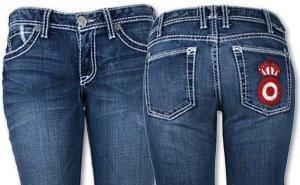
Target recently licensed its logo and name to a consulting firm, Brand Central LLC, for use in a new line of high-end clothing called Targèt Couture (pronounced "Tar-zhay"). The line of products, which range from $140 pair of jeans to an $870 Swarovski Crystal clutch purse to $3,185 gold diamond necklace, can be found at the trendy L.A. boutique, Intuition. 
www.shopintuition.com
As a Midwesterner who's frequented Target since the late 70s/early 80s and takes credit for inventing the name Targèt, I find this new line to be rather silly. But hey, even the celebrity snobs need their dose of Target. I am sure most of them wouldn't be caught dead buying a $25 pair of Mossimo jeans.
In all sincerity, I give props to Target. They are probably the only discount store brand that could pull this off. Seriously, could you imagine this on the ass of your jeans? 
Me neither.
Industry: Gods of Advertising
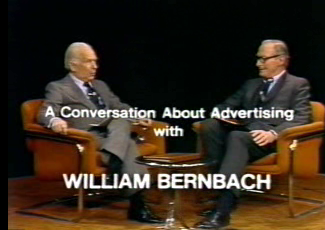
 Bow your heads, ad mortals, and see/hear the words of the Gods of Advertising.
These rare video interviews with Keith Reinhard, David Ogilvy, George Gallup, George Lois, William Marsteller, William Bernbach, Leo Burnett, Lester Wunderman, Tom Messner are certainly worth a minute of your time...and a moment of silence.
It's good to put a human essence back into the mythic initials behind today's biggest ad agencies.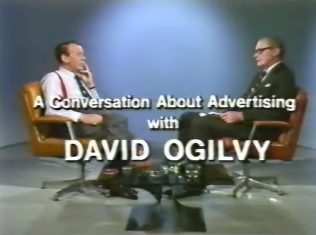
Wednesday, July 12, 2006
Hope for the rest of us

It turns out that there are (at least) two types of genius. The prodigy model we're all accustomed to, people who do brilliant work early but don't ever hit the highs later in their careers; and those who develop their genius more slowly and often make breakthroughs quite late in life.
This recent Wired article written by a member of the latter is a good read. It warns that we might be too quick to write people off if they don't deliver early in life - it feels there's a really interesting strategy in that insight.
Trend: "The Unbanked": Payday Lending
 Between increases in living costs and slowing in real wage hikes lurks predatory (and profitable) lending networks.
A payday loan is borrowed against a borrower’s future paycheck with fees averaging 390% APR or more (compare to average 18% credit card cash advance).
During the past decade payday lending has exploded, generating about $40 billion a year in loans and $6 billion in finance charges while catering to those who live paycheck-to-paycheck or have been shut out of mainstream financial institutions. 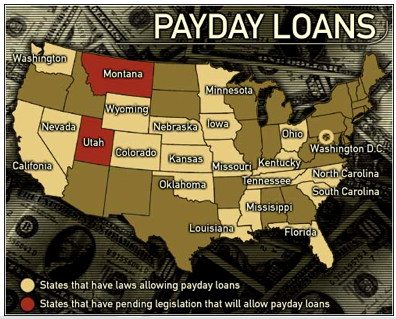
Fueled by banking deregulation, increases in bad/impaired credit, rises in personal debt, and surges in immigrant populations, as many as 14 million of the 105 million U.S. households use payday lenders annually.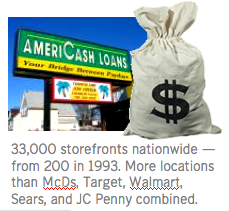


Listen to an NPR interview with Howard Kargermore, author of "Shortchanged: Life and Debt in the Fringe Economy" here
Tuesday, July 11, 2006
Postmodern Post-disaster Vernacular
 "The professional challenge, whether one is an architect in the rural American South or elsewhere in the world, is how to avoid being so stunned by the power of modern technology and economic affluence that one does not lose sight of the fact that people and place matter..." Samuel Mockbee
Last week, the Louisiana Recovery Authority released online in PDF format the Architectural Pattern Book that outlines the reconstruction of the areas devastated by last year's hurricanes. It will be given away for free at hardware stores throughout the area, and serves as a toolkit during this critical period of Louisiana architects and urban planners attempting to recover the essence of a community lost. The other option in the extreme, is a high art postmodern catastrophe. The question however, is how far should we imitate classic and traditional elements like we're building a gigantic museum? Was New Orleans ever meant to be clean?
My family got its start there about 25 years ago. To me, New Orleans will always be the smell. It's this near-rancid mixture of the Mississippi, the broken flood and sewer system, and sometimes, urine. But it is what it is. It was always a city marked by extreme yet eccentric poverty. People ask, "Why would anybody live there?" Well, you don't really have a choice, and the carefree attitude towards a badly drawn lot in life made impending disaster a part of the culture.
Last year I was sitting in an Alabama oyster bar with my old roommate whose east New Orleans apartment was underwater. We knew that the smell, and the New Orleans we knew, was washed away like a bad song. Contractors were buying up land for cheap. The only people left were the rich folks on dry land. Gentrification was on its way.
A toast was made. "Here's to Disney New Orleans."
props to Veritas et Venustas
Trend: Bankrupt!: Retiring In The Red
 Many Americans are now arriving at retirement age with an average of $60,000 in savings including their IRAs and their 401ks. That is not nearly enough to pay for a retirement that could easily last 20 or 30 years. And the Center for Retirement Research at Boston College finds that 43 percent of workers risk being unable to maintain their standard of living in retirement.
The Employee Benefits Research Institute reports that more than 1/2 of workers age 45-54 have saved less than $50,000 for retirement. A recent Fidelity study found that the average boomer is on track to replace just 60% of his or her current income in retirement, even with help from Social Security and pensions.
According to a 2003 study "Retiring In The Red", conducted by Demos, nearly one-third of senior citizens in the U.S. carry card balances. But within that group, the average debt is $4,041 — an 89% increase over the past decade. (For all age groups, the average increased by 53% over this same time period, according to Demos.) The debt increase is particularly sharp during the first years of retirement, the study found: People aged 65 to 69 saw their credit-card balances grow by 217%, to $5,844, during the decade. And since the data used in the study come directly from consumers, rather than creditors, the real numbers could be much higher.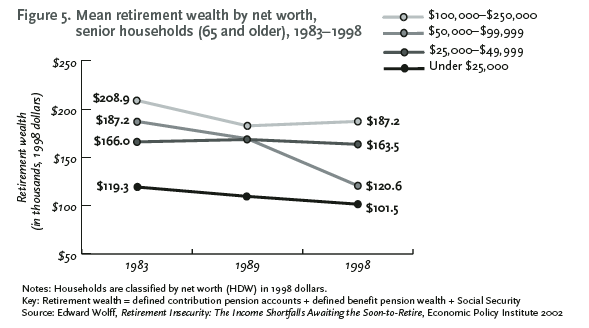
The rate at which retirees are filing for bankruptcy has more than doubled over the past 10 years. Retirees are now the fastest-growing segment of bankrupted Americans, according to research by the Consumer Bankruptcy Project at Harvard University.
Credit-card debt used to be considered rare among the elderly, many of whom have spent most of their lives not owning a credit card, let alone carrying a balance that's beyond their means. But it is rare no longer. 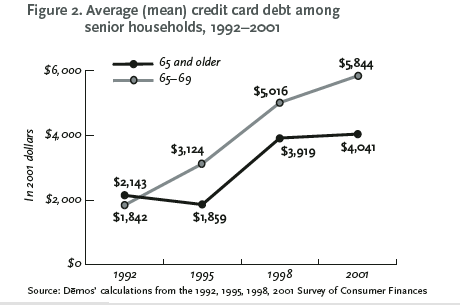
"Credit-card debt is becoming common among older Americans in the same way it's common among all other age groups," says Tamara Draut, a director at Demos, a New York-based research and advocacy company, and co-author of "Retiring in the Red" study.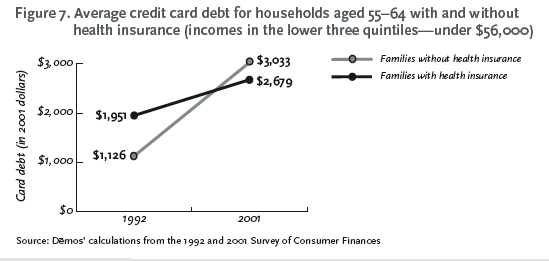
Among seniors (over 65) with incomes under $50,000 (70 percent of seniors), about one in five families with credit card debt is in debt hardship - spending over 40 percent of their income on debt payments, including mortgage debt.
And more are coming. As the transitioners (aged 55-64) are spending 31 percent of its income on debt payments, a 10 percentage point increase over the decade.
What's driving this trend? Longer life expectancies, soaring medical costs, and a bear market that blindsided many seniors. Survival Debt and the American Consumption Ethic have left little to invest for our future retirements. Expect to face more of this as we exit the age of the corporate pension and enter the age of the decline of Social Security assistance, or even inheritances. Of course, there is still the Lotto.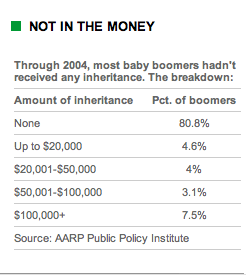
Trend: User-Created: Hip-Hop's "Unwelcome Attention": Bubbly Wars

See here, here, and here for the funny saga of the snooty frenchmen who regret hip-hop's endorsement of their pricey grape juice, and Jay-Z's declaration of war on the ingrates.
This week in Cristal Bubbly Wars:
-Beyoncé switched to “lighter” drinks at a recent music awards show, said a spokesman.
-Rihanna said she would toast the success of her new song "SOS", a remake of British duo Soft Cell’s Tainted Love, which is high in the American pop charts, “with something not Cristal”.
-Lil Kim has joined the anti-Cristal movement. Last year, when she was facing jail on perjury charges, she toasted her farewell in Cristal. Upon her release last week she stocked her July 4 party with Krug.
Take dat, Frenchies!
And, still not knowing when to keep a loud mouth shut, Louis Roederer Cristal has issued another dumb statement saying Jay-Z’s accusations of racism were “unjust”, but adding that it had been “a little bit dismayed at seeing our wine being sprayed around in celebration rather than being sipped”, a comment on a common scene in rap videos which may have compounded the original sense of injury.
Why won't this dude just please stay quiet? Is there no P/R fireman over there? Sheesh.
I do admit, though, there is indeed a pathetic irony in hip-hop's enthusiasm to give a united voice to the silly issue of champagne branding over so many other pressing issues where these artists could have massive impact. But maybe this could spark a hip-hop movement to espouse eating more of our veggies or retirement saving and investing money! Youth education? Driving an economically-sensible auto? Carpooling? No? Eh.
Woodsy Wisdom & Brawny Academy Webisode 3

Along with this weeks new episode following the Brawny husbands-in-training comes some Woodsy Wisdom from the man himself. The Brawny Man.
http://www.brawnyacademy.com/woodsywisdom.html?wisdom=2
The woodsy wsidom covers many of the key areas the Brawny Man is trying to encourage his charges in:
- Just Listening
- Wooing
- Staying Positive
- Hygeine
- Home Protection
But of course, through all of that, the most important one of all:
- Staying Manly.
Enjoy!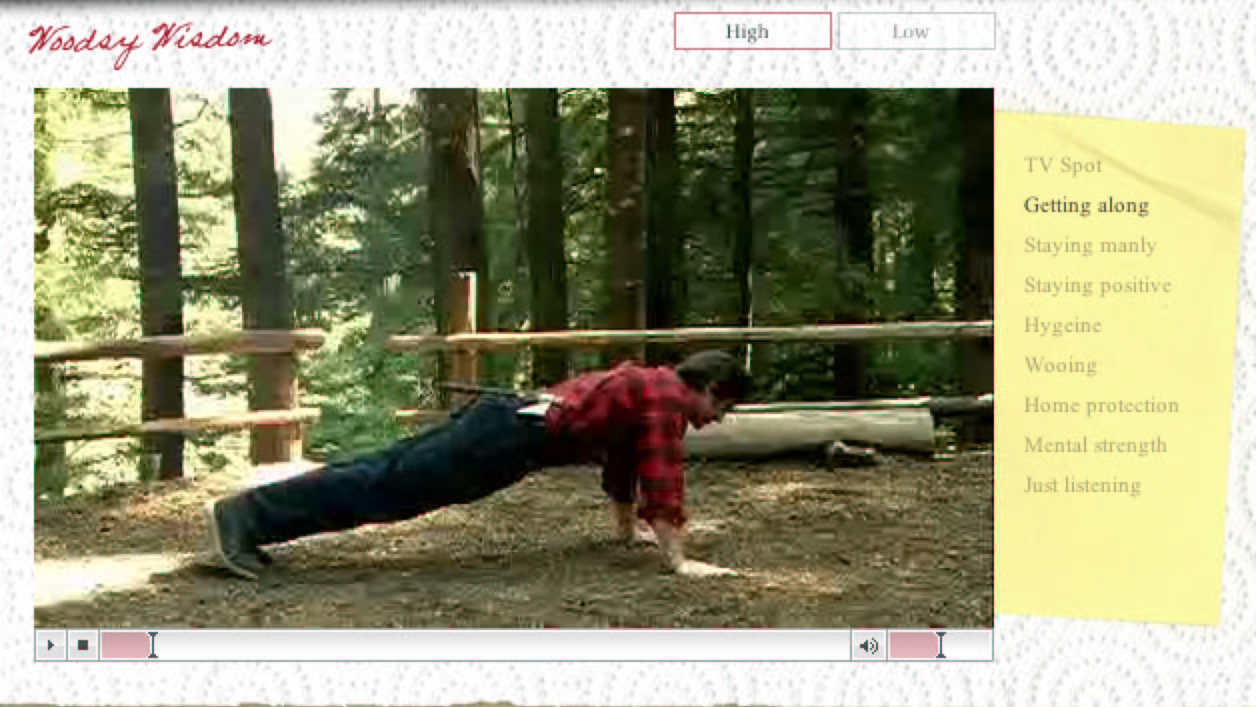
Trend: Selling to Women: Ask Patty
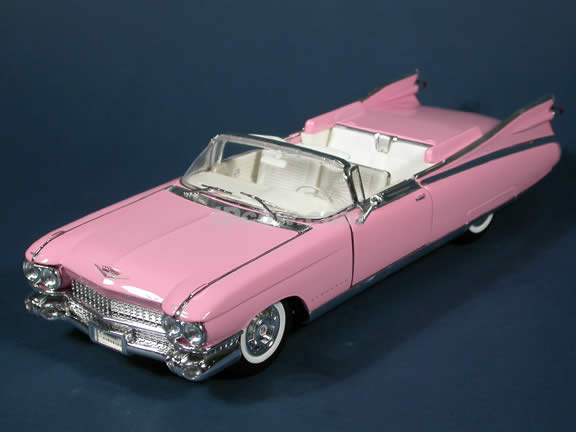
Women purchase half of the vehicles sold in the United States each year, spending over $80 billion.
Shouldn't car dealers sell differently to the needs and expectations of women influencers and decision-makers?
www.askpatty.com recently launched as a safe place for women to get advice on car purchases, maintenance and other automotive related topics. One of the main objectives of the website is to sensitize car dealers to “women’s needs.”
However, Robert Farago of The Truth About Cars is critical of a pressing need to sell cars differently to women: "I seriously doubt that there’s a female automotive perspective– even when it comes to child safety and minivanning." Listen to the interview exchange with Joy Devere, President of Ask Patty, about the justification for such initiatives here.
AKI COMMENT: I recall the earliest attempts at a "woman's car" boasted of innovative features like more mirrors and added storage for make-up, even pink color options! It may be that the appeal hasn't progressed much further since, if we are really honest with ourselves.
While I am not certain of whether this specific site is such the godsend (I also concede that it only recently launched and is probably still finding it's voice), I will certainly admit that car dealers are often clueless about their most influential women customers. Dealerships often provide a more combative experience than it needs to be. Why not provide more lounge environments and tone the hard-sell down? Why not provide distractive engagements for children, thus freeing mom (and/or dad) to shop more and not feel rushed to keep the trip short and less boring? Why not angle more sports-muscle cars as the girl-toy for a female mid-life awakening?
One could argue that these are propositions that may not be so specific to women as they are potential boons to all customers...Exactly. But as the female dollar weighs heavier on the market (and we all want it), it is clear that the brand(s) that gets it right and speaks to women directly can reap some handsome rewards. It is interesting that after all this time, we still need justifications to target our products and messages to specific consumers (like youth, or hispanics, or women) and graduate past the mythical "every consumer" that doesn't exist.
Monday, July 10, 2006
Research: Half life of Internet News

A fascinating study was completed by some researchers in Hungary in the US that shows that Internet news has a very short half life of only around 36 hours. They also found that sites behave a bit like organisms with skeletons that get stronger and more popular over time and skins that change periodically in the way that our cells are constantly being renewed (e.g. news).
via Slashdot
Art of the Air-Sickness Bag

Aviation aficionados come in many flavors, and each flavor seems to have its own online museum.
There's the mainstream: the planespotters, who spot and/or photograph planes. Some try to capture a photo of every plane in an airline's fleet, or of every model. See their exploits in the photo archives of Airliners.net.
Others photograph the meals and menus onboard their flights.
And then there are the folks who collect and photograph flight attendant uniforms, or airline spoons, ... or, inevitably, air sickness bags, a.k.a. barf bags.
Enter SickSack.com, the web's repository for images of the bag you hope you'll never need to use. The site, run by Rune Tapper of Sweden, contains images of 1034 bags from 438 airlines in 129 countries, with an eye for interesting graphic design.
Feel free to send Mr. Tapper the (empty) bag from your next flight!
via http://upgradetravel.blogspot.com/
Sunday, July 09, 2006
Moron:
According to cricket lore, when Herschell Gibbs put down a sitter in the Cricket World Cup (The real "World Series", American heathens), Steve Waugh said to him "Mate, you just dropped the world cup".
Well, Zizou, you just nutted the World Cup out of the park. And blew your legacy. Oops.
Friday, July 07, 2006
Movie Poster Culture Remix

Here are some Russian Folk Art interpretations of movies done by Andrey Kuznetsov. Plenty more to be seen here.. Which reminded me of some renditions from other cultures...
Africa:
Poland:
These adaptations give us a pretty interesting insight into how others view American themes and cultures. It only reaffirms that when branding across cultural lines we must refurbish the execution and refocus the idea. Think of how Bollywood takes familiar storylines and resets them for their audience. Example: Bollywood Fight Club (check out the trailers). Then they remixed Spiderman comics for Indian audiences. I've seen the same thing in plenty of chinese movies. If you've ever wondered how awesome a Kung-Fu version of Patrick Swayze's Ghost would be, then I can tell you with pretty good authority that it's awesome. It works both ways of course. Notice the recent surge at repurposing Japanese horror movies like The Grudge and The Ring. A very indepth study on how the pornography industry rebrands storylines will be forthcoming.
Inbox of Immaturity
No pic this week, but here's the link shortlist of 5:
Your Brazilian Name
Sports Guy's Top YouTube Links
720 Dunk
Mr. T Knows
Washington
Thursday, July 06, 2006
State of the Megachurch

The unveiling of this 72 foot tall statue in Memphis (NY Times) seems as good as time as any to make an update on the state of the U.S. Megachurch. According to this fantastic 2005 summary by the Hartford Institute for Religion Research, the number of megachurches (defined as having a weekly attendance of at least 2,000 people) has doubled in the last five years to around 1,200 across the country. The average attendance for a megachurch is about 3,500 people and are mostly concentrated in four states: California (14%), Texas (13%), Florida (7%) and Georgia (6%). Interestingly, 83% of churches said that they have grown under the leadership of a single pastor (typically 50 years old and well-educated) with a average staff of 35 people who serve 30 to 40 hours a week as volunteer leaders.
And of course, a few of these churches are building colossal monuments like this one as a major attraction:
Probably most importantly, is to note the Eleven Misconceptions at the end of the summary article, most notably that these congregations have high spiritual expectations and that these churches grow simply because "excited attendees tell their friends." This can all be wrapped up by this King of the Hill episode clip on Megachurches:
Props to Church Marketing Sucks
Wednesday, July 05, 2006
Found: A Different Agency Website
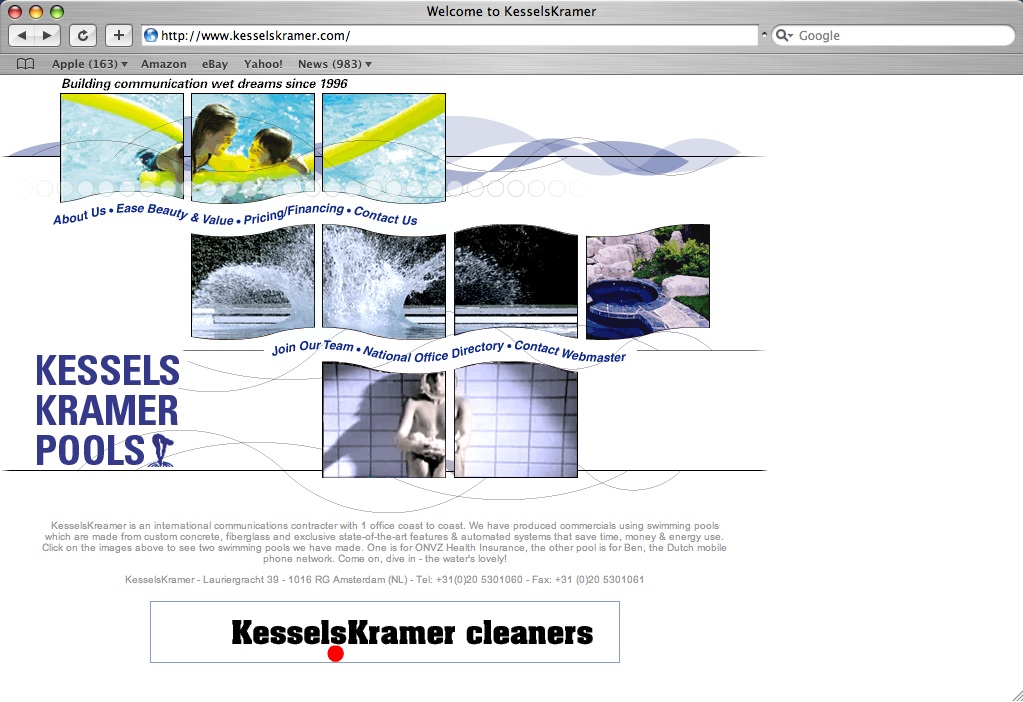
"I am always intrigued with just how poor a job most of our agencies do at branding and advertising ourselves. You gotta consider from the client's POV that if agencies are so damn good at simple messages that differentiate products and services, how come nobody knows half of us agencies, and fewer can differentiate what we each stand for?" -AKI SYSTEMS 2600
Here's different and, if you ask me, interesting. KesselsKramer in Amsterdam has created a variety of homepages (with additional pages/links/content) for its Web site. From Plastic Surgery ("trust your face to KesselsKramer) to Vending Machines to Pools (shown-"building communications wet dreams since 1996"), each one has its own theme and is tied to the others, and to the agency, only by the contact info. But who will call? Bird watchers and hot air balloon riders? Or, as they'd hope, the savvy marketing managers with a sense of humor and willingness and budget to take risks?
Going back to Aki's question, I'd never heard of the agency, so they've got my awareness and attention and communicated the following: "We know 99% of company sites are boring. We know 98% of ad agency sites are boring. We are not." So I guess if I were Maurice Saatchi, I would say, KK is unboring. Or is that one word, un-ownable?
Thanks to Polkadot Holes


 Seed Newsvine





