Share ideas that inspire. FALLON PLANNERS (and co-conspirators) are freely invited to post trends, commentary, obscure ephemera and insightful rants regarding the experience of branding.

Wednesday, November 08, 2006

Agility

A few of us were recently discussing the increasing need to respond to real-time feedback from online initiatives (metrics, buzz, etc.) and the word “agility” came up again and again. As a producer with a background in software development, the word “agile” has a specific meaning to me relative to programming, because Agile is a formal software development methodology. It occurred to me in an instant that I was in a conversation where we were talking about our business from a software perspective, and there wasn’t a developer in the room.

Agile software development is an acknowledgment of a very human insight: by doing you learn, and when you learn, you adapt. Everyone has worked on a project that started out with an agreed upon scope and then as the project proceeded, ideas on how to improve the approach emerged. Agile techniques acknowledge this and use an iterative approach that embraces change rather than limit efforts to a linear trajectory. If properly managed according to a few key principles, projects have a natural organic progression that is evolutionary.

Some principles of agile development look a lot like Web 2.0 applied to workflow:

  • Real-time collaboration rather than soloed teams and written document
  • Responsibility rather than process
  • Iterations, preferably frequent ones, rather than linear execution with a final deliverable
  • Embracing change as opportunity to improve
  • Adaptivity

Business process consultants have been talking about agility for years (some are talking about it in London today). From an online communication perspective, agility is more important than ever. When we execute a campaign, the learning happens in real time and effectively seizing the opportunities to adapt initiatives is imperative. It’s the classic difference between collaborative blogging communities vs. publishing a newspaper. Just as the New York Times learned agility, so are agencies.

The Sound of Madness

War is mad. (You don't need me or the midterm election results to tell you that.) And I love the choice of Gary Jules' "Mad World" as the soundtrack for the new xBox game, Gears of War. Not because of its originality (see second clip) or lyric appropriateness, but because the contradiction between the visual and the auditory is arresting. Avoiding the sounds of war found in most "shoot 'em up" games (and their commercials), they chose, a brilliantly different track. It strikes an emotional chord and no doubt makes this otherwise forgettable ad, special. And that's why people shut up for the trailer in the movie theater before seeing Borat. And that's why I, and others will seek it out as entertainment—(Google search for "gears of war" "song" results in 618,000 hits) Unfortunately for Microsoft, I'm still working with Sega Genesis so I'm not making the register ring, but I'll write.


I wonder if they got their inspiration here:


Finally, I've gotta give love to DD (Donnie Darko not Deutsch):

Tuesday, November 07, 2006

Bankrupt!: Play Money

Parents can teach financial literacy via a hands-on toy ATM that deposits and dispenses real dollars.

Kids simply insert the provided ATM card into the toy ATM, key in their PIN, are greeted by name on the electronic display, peer into the pretend security camera and make a deposit into the bill feeder. The machine also recognizes and counts coins, plus tracks the account balance.

Last Christmas, the "Youniverse ATM" sold out in a few days across the USA. To-date, Summit Products, the manufacturer, has sold 2.5 million of the toy ATMs. The "Youniverse ATM" also won a "2005 Oppenheim Toy Portfolio Gold Seal Award." For more information

Also see Monopoly Debit and Allow


via Cardweb

Monday, November 06, 2006

New Media: Big Brother to Launch First Reality Show in Second Life

As if the show itself wasn't bad enough, Big Brother is now gearing up to launch a new contest within the virtual world. According to the Second Life/Big Brother website, the game will work as follows: a group of Second Life residents will be selected to live in a transparent house on the Big Brother Island, pledging to spend a minimum of 8 hours per day in the house with your fellow contestants. The contest is slated to go from Dec 1st to Dec 31st. The winner, ie the last person left after eliminations weed out the other contestants, wins their own tropical island in Second Life. The entrance of Big Brother marks the debut of reality TV within SL, undoubtedly to be followed by others. The show will operate much like its real-world counterpart, with contestants being subjected to various tasks and viewers being able to vote on their favorites/most hated and consequently leading to the elimination of all but one. But, its definitely taking advantage of being an interactive, virtual environment: residents who are viewers of the show can interact with one another, listen to DJs spinning the latest tracks, dance and more or less enjoy a night out (in-world).


Kind of a mind trip for me, a reality show based within an entirely user-created virtual reality. As much as I really dislike reality TV, I can't help but wonder how this will fare in SL. Given the interactive nature of SL, the show is shaping to have a much different take on the idea of reality shows. It's not some 1 hour program that comes on once a week that you can sit and zone off too, then cast your vote by text message, all the while never truly interacting with many aspects of the show. The Second Life version involves active participation, particularly in regards to other viewers of the show, and could possibly help to create a sense of community among residents who may have never met one another without their shared interest in the show. It's an event, and one that (virtually speaking) is going on in the world you live in, not some remote island/studio/etc in TV Land.

Saturday, November 04, 2006

Mass Interactive: The Massive Joke Punchline


Reader Jason Rose sought our input about his Massive Joke, an effort to auction off the opportunity for a business to embed itself at the centre of a branded stand-up comedy spot that he would write, record and then post on YouTube. Product placement meets audience co-creation.

Well, the bidding recently closed on eBay and seek.com.au - an Australian online recruitment company - bought this exclusive opportunity for $610.

Jason tells us, "Clearly, it wasn't the million bucks I had hoped for, but it certainly vindicated the time I put into bringing the idea to life. I think because they are an online company and hold themselves out as being cutting-edge and open to new ideas, they thought that for $610 they don't have that much to lose."

Drumroll, please... Ladies and gents, here is Jason Rose and his Massive Joke on YouTube:


Jason further adds, "Who knows? Now that a listed, mainstream company has endorsed the project, it may well be that other companies would be willing to get onboard if I was to offer another round."

You can find more at www.themassivejoke.com.

Friday, November 03, 2006

Borat and 'Brand Kazakhstan'

I came across this debate on BrandChannel regarding Borat and the characters possible effect on the Kazakhstan brand. For those of you who aren't familiar, Borat is a product of the Ali G show, unapologetically un-PC, racist, sexist.. the list goes on. Yet, incredibly entertaining. His travels and adventures as a 'journalist' for state-run TV in Kazakhstan, interviewing people from all walks of life have brought the country much more visibility as of late, but BrandChannel asks whether or not "no publicity is bad publicity". Yet another question of how much are people's opinions truly influenced by what the media offers up. Might a comedy's depiction of a fictious character from a certain country influence the masses opinons about that country and its people?

The forum has generated a fair amount of debate on the site, so I thought it might be interesting to pose the same questions to fellow Fallonites that were asked in that debate: If you were in charge of branding Kazakhstan, what would be your action/response to Borat? Would you see this character as a potential threat that could damage perceptions of the nation and its people, or simply as something that is drawing attention to and generating interest in your brand and publicity you'd be willing to accept?

Commercial Interruption: Dirty Politics

According to most mainstream news, american politics have just turned dirty this year.


Some examples of this new "dirty" menace


Bad Call


Ron Kind Pays for Sex!


Harold, Call Me


7 Year Olds Tasered!


and lest we never forget the classics

Daisy


Willie Horton


David Mark, Author of Going Dirty on Daily Show


Going Dirty


In Defense of Negativity

Politics 2.0: PunchFoleyforNegron.com


Amidst all the blahblah about "negative" advertising, reader Enrico Palatzo sends us this online gem:


AKI COMMENT: I like the bit at the bottom proclaiming "not affiliated with Joe Negron. Yet, the link is there for you to conveniently go get info on Joe Negron.

Get your punch on at http://punchfoleyfornegron.com/

Thursday, November 02, 2006

A Lesson About Authenticity


How many times has this dude made it into your deck about an Authentic Youth Brand? The Jay-Z of the next generation. A alternative, active, carefree, entrepreneur; he's as multi-dimensional as his brands (BBC, Ice Cream) and the ones he reps (BAPES and even HP, which provides a clear link to Jay.) Still he never seems to "sell out." So he makes it onto a slide to show off his values, elasticity, and most importantly authenticity that allows him to move from early adopter to mainstream...and that's where the big money is.

I went along content and unquestioning about my image of Pharrell and wrote off any doubt as jealous or plain old hating. That is, until the other night when I tuned into BET's new-ish BEEF: The Series.

Skateboarder, Terry Kennedy was calling out Lupe Fiasco for his "Kick Push" album/song in particular, saying he was a poser (that he hardly skates) and even making a diss track. Issue is that Lupe never really claimed to be a great sk8r (is that still cool?, gr-8) - and Terry is certainly worse on the mic than Lupe is on the board. Weird that he didn't have any problem with Pharrell calling himself Skateboard P when he barely skates. Or is it? Nope. In fact, the beef was squashed by Pharrell who made beats for Lupe's new album and was featured on his new single remix AS WELL AS who created and funds the Ice Cream street skate team which TK leads. It's all about the Benjamins, baby.

In the end, it seems to me the least "real" dude is Kennedy. I have second thoughts about Pharrell, but in the end think he's still a sick marketer, understands himself as a brand. Plus, anyone who deads the silly situation gets respect. Lupe's cool too, though getting Chuck Anderson to do his album cover art was a little weak. Check out Piff Huxtable's take on the situation - and peep some real skating on his previous post - "you can be crazy... just don't be insane."

I always get an uncomfortable feeling when I see "Authenticity" on a brand pyramind, positioning, etc. - any slide really. It's like "cool." If you have to say/write it, you're not it. I've been substituting transparent, but the level is open to interpretation and more it's becoming more and more the reality for brands - companies or people. If you don't skate, don't front like you do. So brands looking to get in with this (or a different) sub-culture better think twice about how and if they can gain credibility. Sponsoring a team may not be the answer. And doing a spot with kids skating that ends with your logo and putting it on YouTube definitely isn't.

Tuesday, October 31, 2006

Halloween and brands


In the United States, Halloween has become the sixth most profitable holiday (after Christmas, Mother's Day, Valentines Day, Easter, and Father's Day) for retailers.

So brand Halloween is strong, and marketers have a chance to use holiday insights to meet consumer needs. Some have: Comcast created a new channel called FearNet to satisfy the desires for scary-movie-lovers. Other brands have met the needs of the costume-craving and –confused, such as recently Captain Morgans Costumes and last year Burger King Masks.

For the most part, companies leave that to the candy-makers like M&M’s and fantasy-creators like Disney.

As story-tellers, it seems an opportunity exists to use holidays and this one in particular to extend (and test) a brand’s elasticity and complexity, possibly making some sweet mullah in the process. Most importantly, it is a time to show your personality and bring your culture out.

Hey, people do it. Just look at the Today’s Show, to see the link between traditional entertainment company/brand to entertainer/person/brand. Hosts Matt Lauer and Al Roker were Pirates of The Caribbean characters and Meredith Viera was the Little Mermaid. While Anne Curry was Cher and Natalie Morales was Madonna.

They also highlight some observations about the importance of individual expression within a safe community. There’s no denying individuals take the opportunity to extend and voice their brands. Sometimes it’s just being the hot you Playboy bunnies. But notice the ease and necessity of doing it in a group (i.e., girl scout troops, Wayne & Garth, female firefighting squads, Reno 911 officers, etc.) There are more examples of women than men, but in addition to wanting strengthen and security in numbers more, I believe it’s also a testament to them having their shite together.

In any case, a great costume can be judged on a number of criteria, but are almost always a great conversation piece. Hits this year, from my perspective, include: Kim Jong Il (based on relevancy and amazing hair and glasses), Hulk Hogan (also a larger than life character that’s has cultural relevance – new show Hogan Knows Best – and performance - the guy really “sold” it), Shots (depth, variety, detail, creativity for the buttery nipple, purple hooter, and other 7 ladies), and Papa Smurf (dedication – full blue body paint – and detail – could not be confused with a member of the Blue Man Group).

But whether you (and your crew) are (is) the most original or most obvious, the holiday is, inherently (read as: has been commercialized/crafted to be), a social lubricant.

Halloween provides brands an opportunity for both transformation and interesting discussion. It’s a chance to have fun and not take itself too seriously, to pay tribute to and shape culture, to join the conversation. I believe it’s worth thinking about what opportunities other holidays provide.

Ad Agency Deathwatch: Google Rising

Imagine you're Volvo's top US advertising executive, responsible for an ad budget of around $100 million (€78.59m; £52.72m). And you want to talk to an expert with new media savvy and empathy with a prime customer target group.

Who do you talk to? A creative boutique? An online hotshop? One of the specialist new media scions of Omnicom, WPP, Interpublic, Publicis and Havas?

None of these if you're Volvo's Linda Gangeri, who like those seeking Ralph Waldo Emerson's "better mousetrap", made "a beaten path to the door" of . . . Google.

Impressed by the Californian search titan's recent ingestion of YouTube Gangeri cold-shouldered Madison Avenue's finest in the belief that she might find the "better mousetrap" at Google.

Volvo, whose image is more usually associated with the comfortable bourgeoisie, will next year launch a new model targeting the hip, twenty-something crowd - Googlers personified.

Jetting-in from the West Coast to Google's recently opened New York offices, Gangeri told the Googlistas: "This is a target we've never reached before and one you cannot reach via traditional marketing messages - they reject it. We look to you and challenge you, with Google being more of that young, targeted mind-set."

Patrick Keane, Google's director of product marketing, was in no mood to disagree with such dollar-dripping enthusiasm. Unable to believe his luck, he took up Gangieri's refrain.

"There's probably a false assumption in the marketplace that Google is a bunch of machines in Mountain View [California] and we don't have relationships like you might see at Conde Nast up the street or at ABC television," Keane responded.

Elsewhere, however, there was less enthusiasm. Timothy Hanlon who, as svp of Publicis Groupe's Denuo new-media consulting division, bestrides the gap between old and new media, assessed the Google incursion.

"They're trying to take the DNA of search marketing and apply it to other kinds of advertising," he said, adding that the larger dollar-pot in traditional "brand-marketing budgets" is a natural target for Google.

While Jason Clement, associate director of search engine marketing at Aegis Group's Carat Fusion, was in counter attack mode: "The scariest thing about Google is they don't know what they don't know.

"There's a difference between a Harvard [graduate] mathematician and someone who's been selling ads for twenty years. The mathematician is smarter, but if you want Coca-Cola's dollars, the guy selling billboards for twenty years is the one you want."

Surveying the upcoming Battle Royal, observers of the media scene predict that few prisoners will be taken.

via WARC and Washington Post

User-Created: Mac-O-Lantern

Happy Halloween!


Make your own Mac-O-Lantern

Monday, October 30, 2006

Event: U of M Professor discusses the social web

For us locals, the Minnesota Interactive Marketing Association is sponsoring a chat about the ever-changing nature of the internet, social media and all of the buzzwords we love to ponder and eschew. 7 p.m., Thursday over on the St. Paul campus.

"No longer is the Internet merely for sharing facts and figures; increasingly it’s for creating connections with people. The hundreds of social networks springing up all over the Internet are changing how people keep friends, find jobs, enjoy hobbies and even choose life partners. What is the social web? How did it happen? And why is it so important?"

Sunday, October 29, 2006

Industry: Analyzing CNN "Actual News" Content

Reprint from Daily Kos which critiques the level of "actual news" featured on websites after you take out ads.

Let's take a look at their home page (from yesterday's "above the fold" CNN home page):
CNN HOME PAGE


Okay, now let's find all of the advertising, including cross-selling and up-selling to other CNN shows and services. Here's what we get:


CNN Advertising


And now lets find all of the dog-bites-man sensationalism, gossip, trivia, and other non-news.


CNN Sensationalism


And now the actual news... wait for it...


CNN Actual News


That is the SUM TOTAL of actual news presented on the above-the-fold CNN home page.

This is what their home page would look like if it was presented with just news:


CNN CIRCA 2000...

Pop Faith: ATMs for Jesus

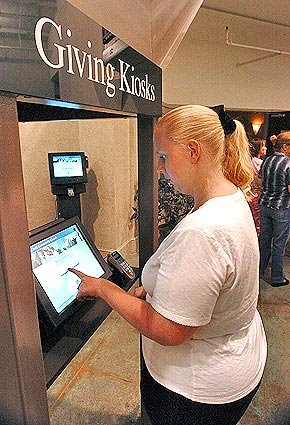
LA Times reports: In bids for relevance, Pastor Marty Baker, of Stevens Creek Community Church, makes sermons available as podcasts, regularly plays Aerosmith's "Dream On", and discusses the spiritual wages of lunching at Hooters. He has also installed ATMs in the church lobby.

Kiosk giving has gradually gained acceptance among his upper-middle-class flock. The three kiosks are expected to take in between $200,000 and $240,000 this year — about 15% of the church's total donations.


At church services, Baker said, the next few years could be comparable to another upheaval centuries ago, when offerings of grain and animals were replaced with what was then the newfangled medium of money.

"I'll bet that caused a stir, too," he said, chuckling.

See previous link about God's credit acceptance networks, as well as other Faith Web 2.0 movements

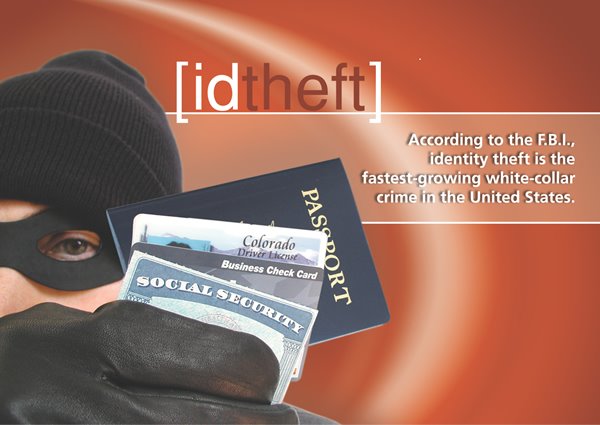
ID Theft: This Week In ID Theft


Federal Officials Warn of Stock Account Hacking

Kinko's Card Hack (on YouTube)

What Your Hotel Key Knows...

Researchers See Privacy Pitfalls in No-Swipe Credit Cards

Criminal Gangs Getting Jobs At Banks

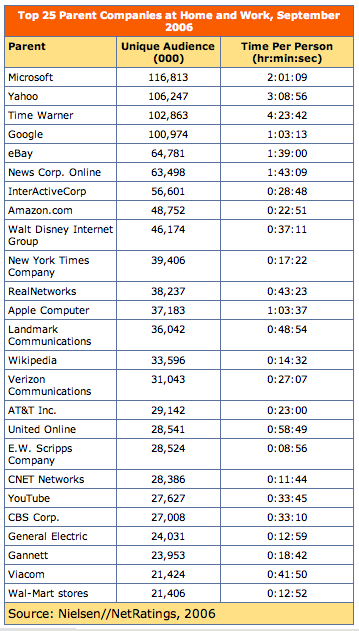
Industry: 25 Stickiest (Brands on the Web)

Internet users at home and work visited the top 25 parent companies and stickiest brands for September. Nielsen//NetRatings tracked the brands with the highest number of unique visits and time spent on their sites.


Nielsen//NetRatings uses a sampling methodology through its MegaPanel of Internet users.


via clickz

Saturday, October 28, 2006

New account planning entry on Wikipedia


Someone, perhaps a reader, has just recently written a lengthy and fairly comprehensive definition of planning. It includes a number of different sections and links to us (thanks!).

What it needs now is a present/future perspective about where the discipline is heading. Anyone up for contributing?

Conscious Consumption: (Product)RED Rising


The (Product)RED train just keeps on a chuggin' since last time we checked */
**/
***

iPod Nano Red, MySpace Red, Flickr Red

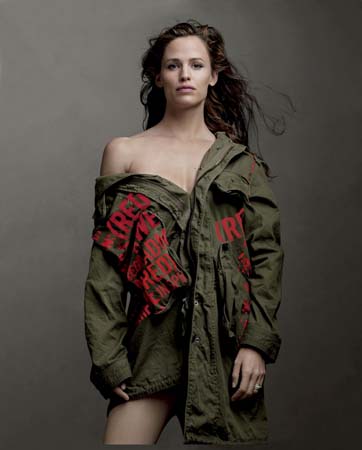
Gap Red has lined up the requisite list of celebs for its ad campaign: Chris Rock, Dakota Fanning, Jennifer Garner, Penelope Cruz, Steven Spielberg, Don Cheadle, and Mary J. Blige.

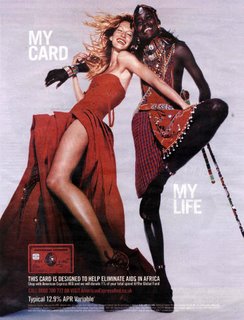
While I have obtained no empirical data, Amex Red seems to be gaining in popularity and sentiment.

And don't forget to Blog Red

Politics 2.0: Google Election Maps


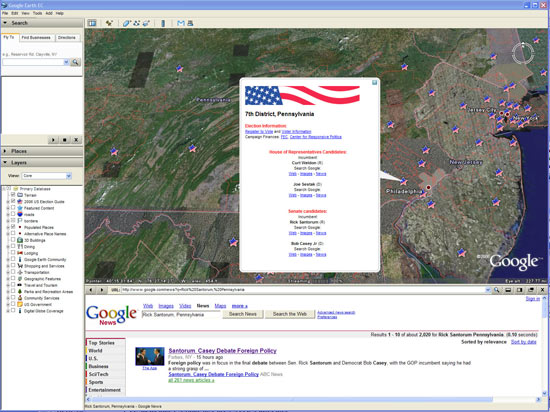
Google is offering a mashup that combines its popular Google Earth mapping program with information about the U.S. congressional races coming up in two weeks.

The Google Earth 2006 election resource tool, unveiled early Monday, indicates the country's 436 congressional districts with stars on the popular 3D map of the country. Clicking on a star pops open a bubble window that has information on the candidates in that race.

The window also includes links to news, images and Web search results on candidates, as well as to information on where and how to vote and campaign finance reform.

"Our hope is that young people using Google Earth will…make better, informed choices," said John Hanke, director of Google Earth and Google Maps.

The project was the brainchild of two members of the Google Earth team who created it during the 20 percent time allotted each week for engineers to work on special projects of their own design, Hanke said.

via CNet


AKI COMMENT: Try a slightly easier interface at Washington Post, as you will likely need to download Google Earth applications onto your computer to use.

And did anybody else notice the 20% WORKTIME COMMITMENT TO INNOVATION POLICY at Google? More on that later...